
Why Structured Discomfort, Speed and Exposure Drive Organisational Growth
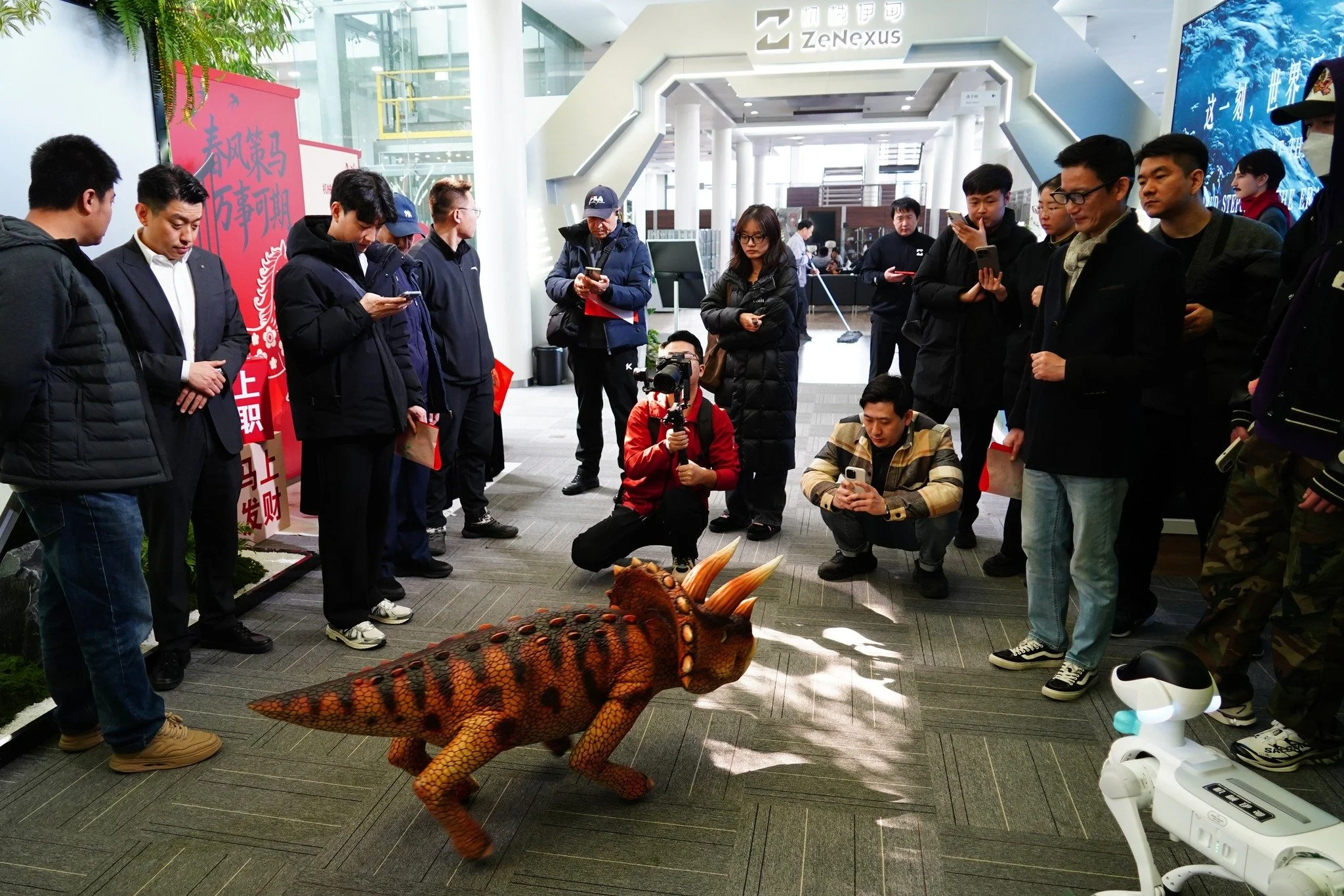
Most organisations are built to run smoothly and seamlessly.
Processes get refined, reporting lines simplify complexity, and decisions move through layers designed to reduce risk and uncertainty. And while these systems bring consistency and scale, they also have a side effect.
Over time, they can distance senior leaders from the conditions where learning tends to happen – situations marked by ambiguity, incomplete information, and the need to respond quickly.
Research and experience across industries suggest that capability rarely develops in stable, highly controlled environments alone. It is more often shaped through exposure to unfamiliar problems and the pressure to adapt.
Capability Rarely Develops Inside the Comfort Zone
Many leadership thinkers have long recognised the role discomfort plays in growth, and this is especially true for industry disrupters that have evolved to now become household names. Amazon’s Jeff Bezos, for example, often talks about the company’s willingness to operate within structured uncertainty for innovation, stating,“If you double the number of experiments you do per year you’re going to double your inventiveness.”
The statement sounds simple, but its implication is significant.
Experimentation creates friction, experiments fail and they expose leaders to information that contradicts expectations. But it is precisely those moments of friction that capability develops.
Research from McKinsey supports this pattern.
In its global study of corporate innovation practices, 84% of executives say innovation is critical to their growth strategy, yet only 6% say they are satisfied with their organisation’s innovation performance.
The gap between ambition and execution is rarely about ideas. It is more often about organisational environments that struggle to tolerate experimentation and learning.
However, discomfort, when managed constructively, becomes a mechanism for closing that gap.
Speed Determines Whether Learning Becomes Advantage
Exposure alone does not create organisational capability. The speed at which organisations learn from exposure determines whether insights translate into competitive advantage.
Many companies observe emerging trends — artificial intelligence, robotics, digital transformation — but respond slowly because their decision-making processes cannot match the pace of change.
Others move faster because they operate through shorter learning cycles.
Microsoft CEO Satya Nadella captured this shift while transforming the company’s culture after he took over the company in 2014. Microsoft moved from what he described as a “know-it-all culture” to a “learn-it-all culture.”
As Nadella put it: “The learn-it-all will always do better than the know-it-all.”
The difference is not intelligence. It is learning velocity. Organisations that learn faster adjust strategy faster.
This is why many of the most innovative companies emphasise rapid experimentation, shorter development cycles, and continuous feedback from customers and markets. Snapchat’s organisation, for example, despite having grown and listed, is till today structured as small “startup-like” teams. Those teams are typically around 10–15 people, designed to move quickly and experiment.
What Innovation Environments Reveal About Learning
During a recent experience at a robotic company in Shenzhen: UBTECH, Dr. Francis Goh, who works closely with Learning Expedition programmes, observed engineers demonstrating how humanoid robots walk, balance and interact with their environment.

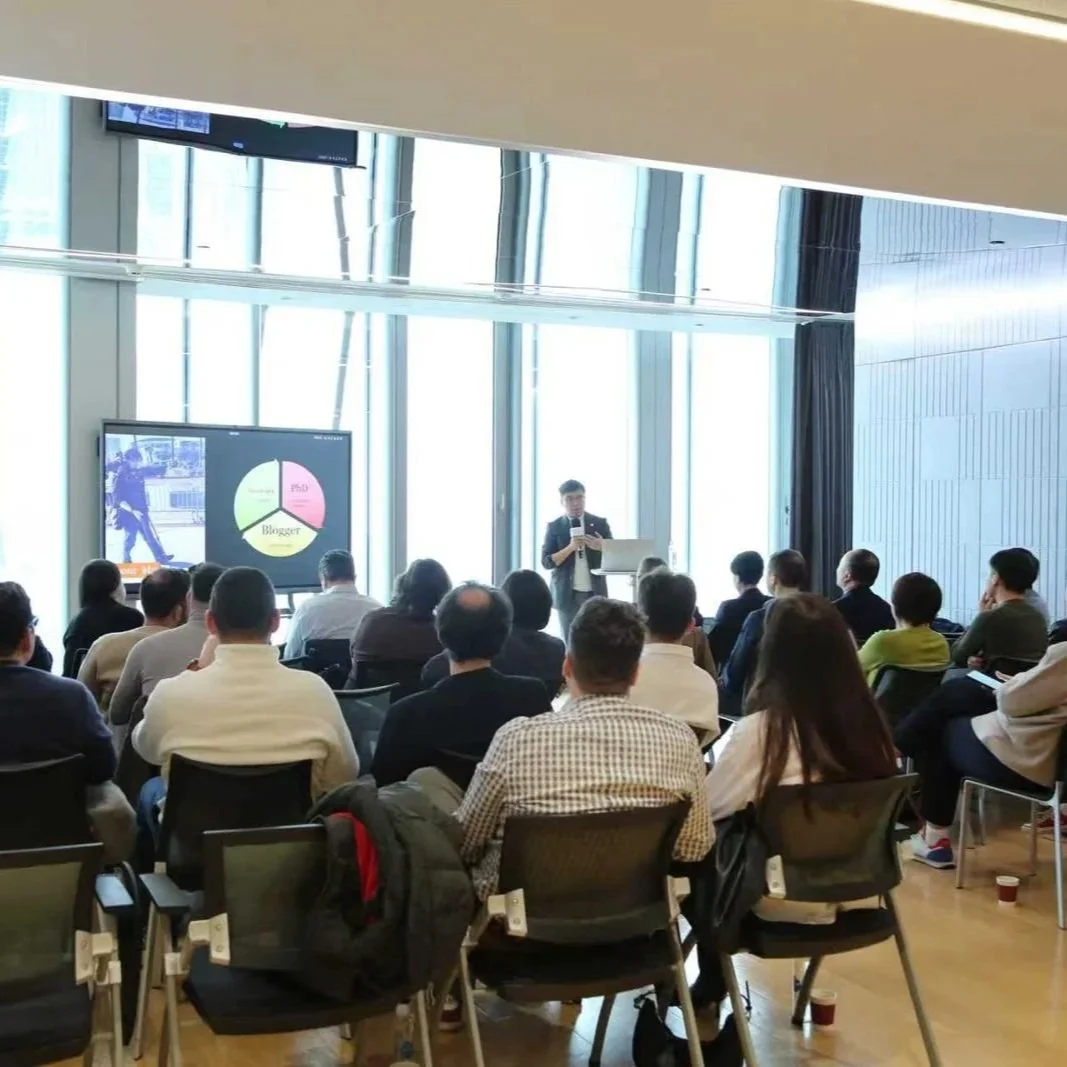


What struck him most was not simply the technology itself, but the development process behind it.
As Goh reflected afterwards:
“Building the future is rarely a single breakthrough moment. It is the result of thousands of small improvements, constant experimentation, and the courage to rethink what is possible.”
Watching engineers work alongside these machines revealed something instructive about how progress actually happens.
Humanoid robots do not walk through one perfectly programmed movement. Each step requires thousands of micro-adjustments as the system constantly recalibrates its balance in response to environmental feedback.
The same pattern appears inside innovative organisations.
Progress rarely emerges from a single strategic decision. More often, it is the result of continuous learning cycles – testing, observing, adjusting and repeating.
As Goh noted during the visit, the most innovative organisations tend to create environments where experimentation happens quickly and learning loops remain short.
From the outside, the result may look like a breakthrough. But internally, it is often simply learning happening faster than competitors.
Responsible Discomfort as a Leadership Discipline
If exposure and speed drive capability, the question becomes how organisations deliberately design environments where leaders encounter them.
Responsible discomfort is not about creating instability. Rather, it involves placing leaders in situations where assumptions are challenged early – before markets force those adjustments.
This can take many forms. Leaders may observe emerging technologies firsthand rather than interpreting them through reports. They may engage with startups operating at the edge of their industry, or explore markets where customer behaviour differs sharply from internal expectations. These experiences recalibrate judgment. They reduce the distance between observation and decision-making, allowing organisations to interpret change sooner and respond with greater clarity.
Structured discomfort, for example like the ones we run at Learning Expedition worldwide, therefore does not weaken organisations. When designed thoughtfully, it strengthens them, because the companies that build capability fastest are rarely those that avoid uncertainty. Instead, they are the ones that encounter it early enough to learn from it.
If you’re interested in learning more about our programs at Learning Expedition, please contact krystal@learningexpedition.co