
There is a difference between talking about AI transformation and standing inside environments where it is already embedded into ever facet of how a business runs.
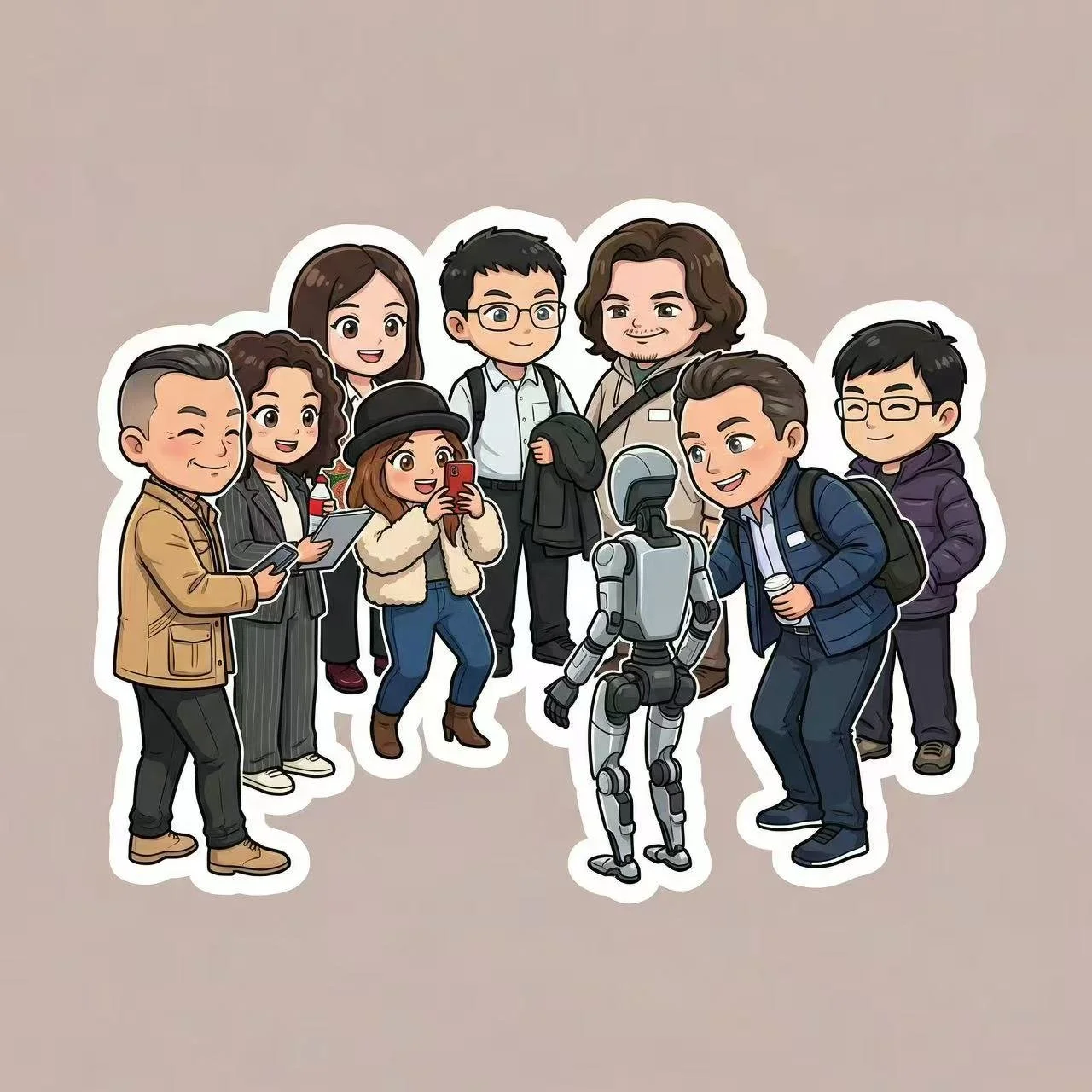
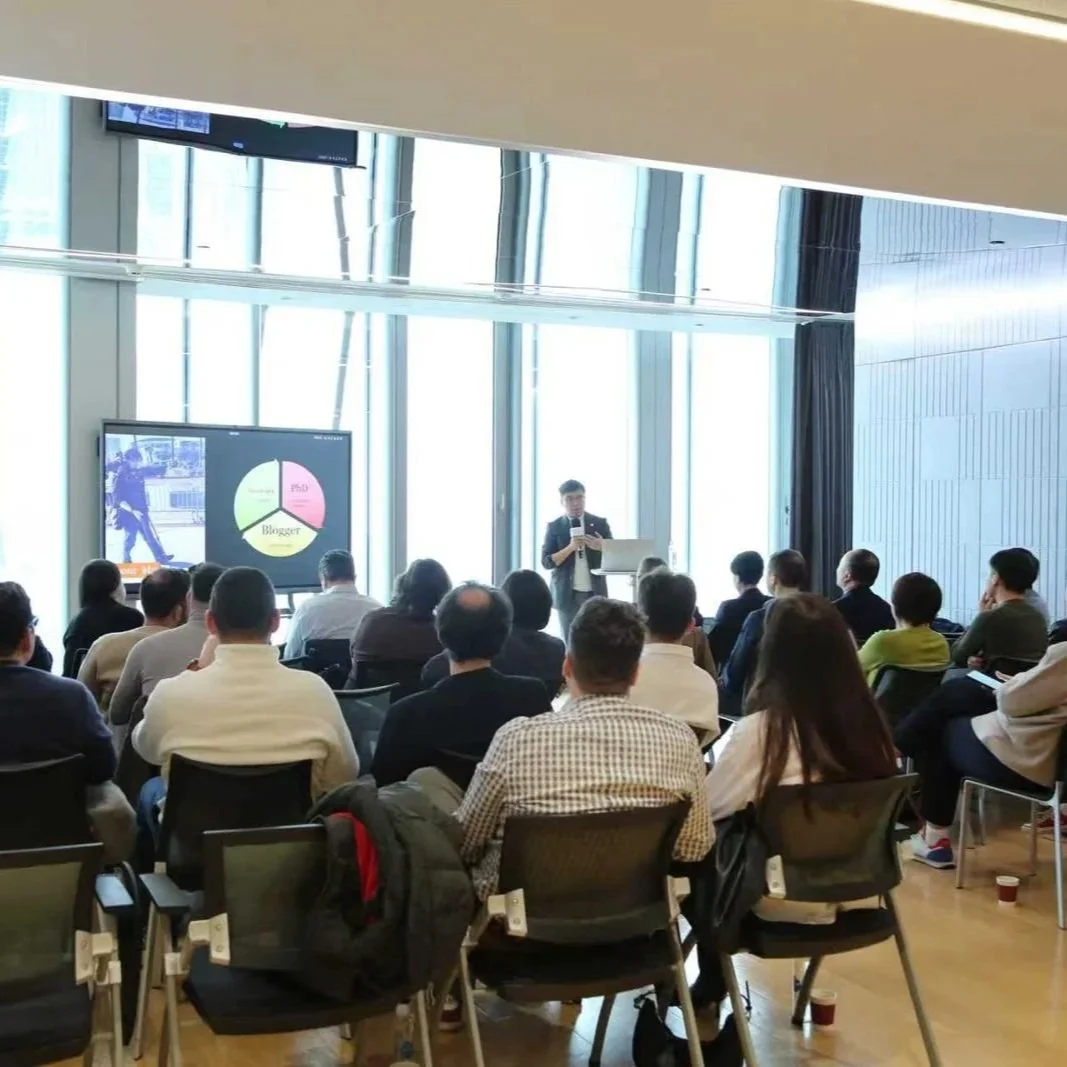
Over the course of a week in China, alongside a major European player in the DIY space, that difference became clear. Moving between some of the country’s largest platforms, retailers, and technology operators, the visit wasn’t a showcase of isolated innovation. It was exposure to systems already in motion – where pricing updates, inventory decisions, and store operations are continuously adjusted by data.
In several of the environments Learning Expedition visited alongside our partner, AI did not appear as a separate tool or layer. It sat inside shared platforms used across merchandising, supply chain, and store operations – systems designed not for experimentation, but for deployment. Models, data, and governance were built into the same structure, allowing changes to be rolled out consistently across the business with clear controls on cost and risk. Teams were not deciding whether to use AI; they were working within systems where it was already embedded.
That structure changes how decisions are made. Rather than feeding reports or retrospective analysis, these platforms are designed to trigger actions directly. Pricing, promotions, and assortment are adjusted in near real time, often without escalation. On the shop floor, this becomes visible in subtle ways – pricing shifts dynamically, displays reflect live demand, and operational decisions are made where they have impact rather than being passed up through layers. The distance between insight and action is noticeably shorter.
Because of this, the boundary between operations and customer experience begins to disappear. Digital journeys – from discovery through to purchase – are closely tied to inventory, fulfilment, and store execution. What customers see is aligned with what the system can deliver in that moment. The result is not a redesigned interface, but a system where fewer gaps appear between browsing, decision, and fulfilment.
This same pattern extends beyond the digital layer. In warehouses and store environments, automation and robotics are integrated into everyday workflows, supporting labour and maintaining consistency under volume. These are not isolated pilots or demonstrations, but components of how operations are maintained throughout the day, tied to specific outputs rather than experimentation.
What makes this possible, in part, is how governance is handled. Rather than being introduced late in the process, rules around data use, risk, and compliance are embedded directly into the platforms themselves. This creates clear boundaries within which teams can operate, reducing the need for repeated approvals and allowing systems to be deployed more widely without interruption.
For the leadership team visiting from Europe, the shift was not tied to any single technology. It came from seeing how these elements – platforms, decision-making, operations, and governance – were connected. Conversations moved quickly from identifying opportunities to mapping where decisions could sit, which systems would need to change, and where automation could be introduced without disrupting the flow of the business.
Across the environments visited, AI was not presented as a new initiative or a layer of capability. It was visible in how decisions were made, how systems responded, and how operations were maintained throughout the day – part of the underlying structure rather than something added on top.
If you’re looking to deep dive and immerse yourself on how to incorporate AI into your organisation and within your teams, fill out the form below and a representative will be in touch shortly.