
Why Asia Has Become the World's Strategic Innovation Hub
Written by Nassera Tahanout

In today's business environment, strategy can no longer be built solely through reports, dashboards, and internal meetings. Markets are evolving too quickly. Technologies are transforming industries at an unprecedented pace. And leadership teams are increasingly confronted with the same question: “how can we anticipate transformation so that we can position the business to leverage it?”
The urgency is clear: 80% of CEOs expect AI to significantly reshape their organizations' operational capabilities, while 77% believe it is defining a completely new business era. Yet many leaders acknowledge that their organizations are not moving fast enough to adapt. Exposure to leading innovation ecosystems has therefore become a strategic lever for accelerating transformation and strengthening executive decision-making.
Asia is no longer simply "the factory of the world." Instead, it has become the most dynamic environment for digital transformation, artificial intelligence, customer innovation, smart manufacturing, and platform-based economies.
Asia continues to be the primary engine of global economic growth and is home to some of the world's most advanced ecosystems in artificial intelligence, semiconductors, robotics, and smart infrastructure. The region includes global leaders such as Singapore in AI strategy, South Korea in digital adoption and robotics, Japan in industrial automation, and China in digital innovation and e-commerce.
Countries such as South Korea, China, Singapore, and Japan are setting the pace of innovation globally, often bringing new technologies and business models to market at a speed rarely seen elsewhere:
South Korea is among the world's most digitally connected nations, with internet penetration exceeding 97%.
China is home to more than one billion digital consumers and operates one of the most advanced e-commerce ecosystems globally.
Singapore continues to invest heavily in AI through a national strategy designed to establish itself as a global artificial intelligence hub.
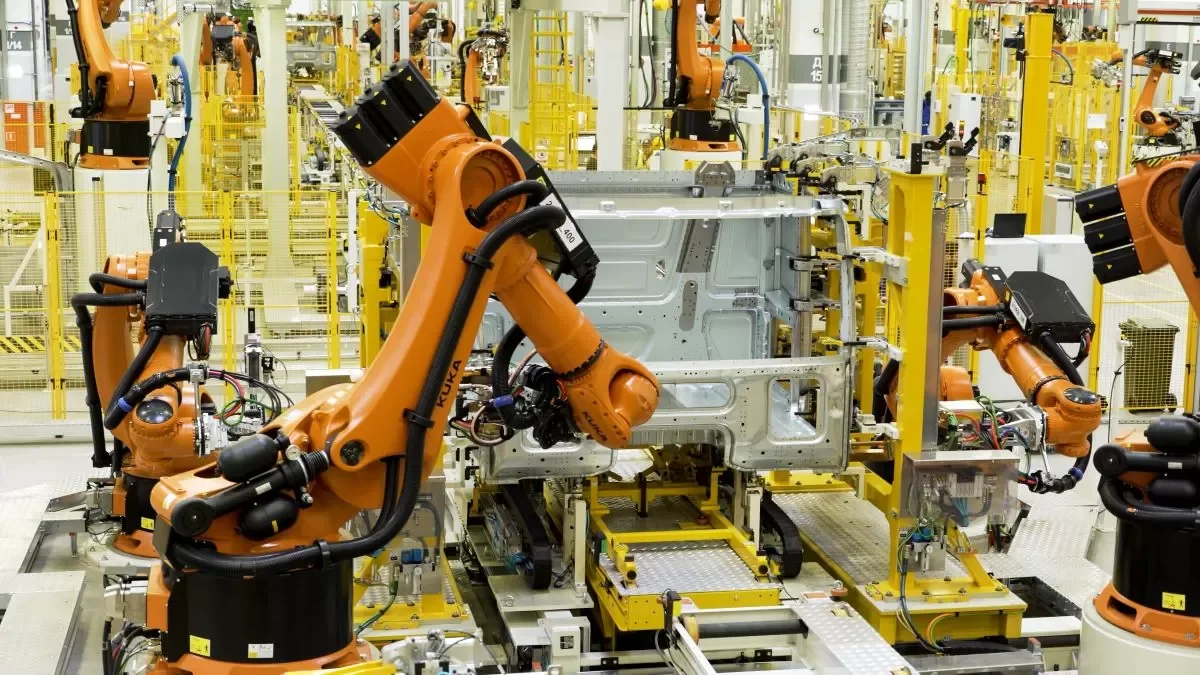
Japan remains a global benchmark in industrial automation and advanced robotics.
For European and North American executives, the impact is often immediate:
"What surprised me most wasn't the technology itself," explains a Canadian retail executive who participated in an executive immersion program in Seoul. "It was the speed of execution. Companies here test, adapt, and scale faster than anything we had experienced before."
Beyond the technologies themselves, executives often gain a new perspective on leadership, organizational agility, and decision-making. They observe companies that have embedded innovation into their culture, shortened decision cycles, and developed an exceptional ability to adapt to changing market conditions. This exposure frequently challenges long-held assumptions and opens the door to new strategic possibilities.
And it’s that realization alone that can fundamentally reshape a company's strategic priorities and therefore the entirety of its trajectory.
More Than Inspiration: A Catalyst for Strategic Transformation
"The real value comes from immersion, a true competitive advantage."
Observing autonomous logistics systems in operation, engaging directly with executives about their AI strategies, or analyzing next-generation retail ecosystems creates a level of understanding that no PowerPoint presentation or webinar can truly deliver.
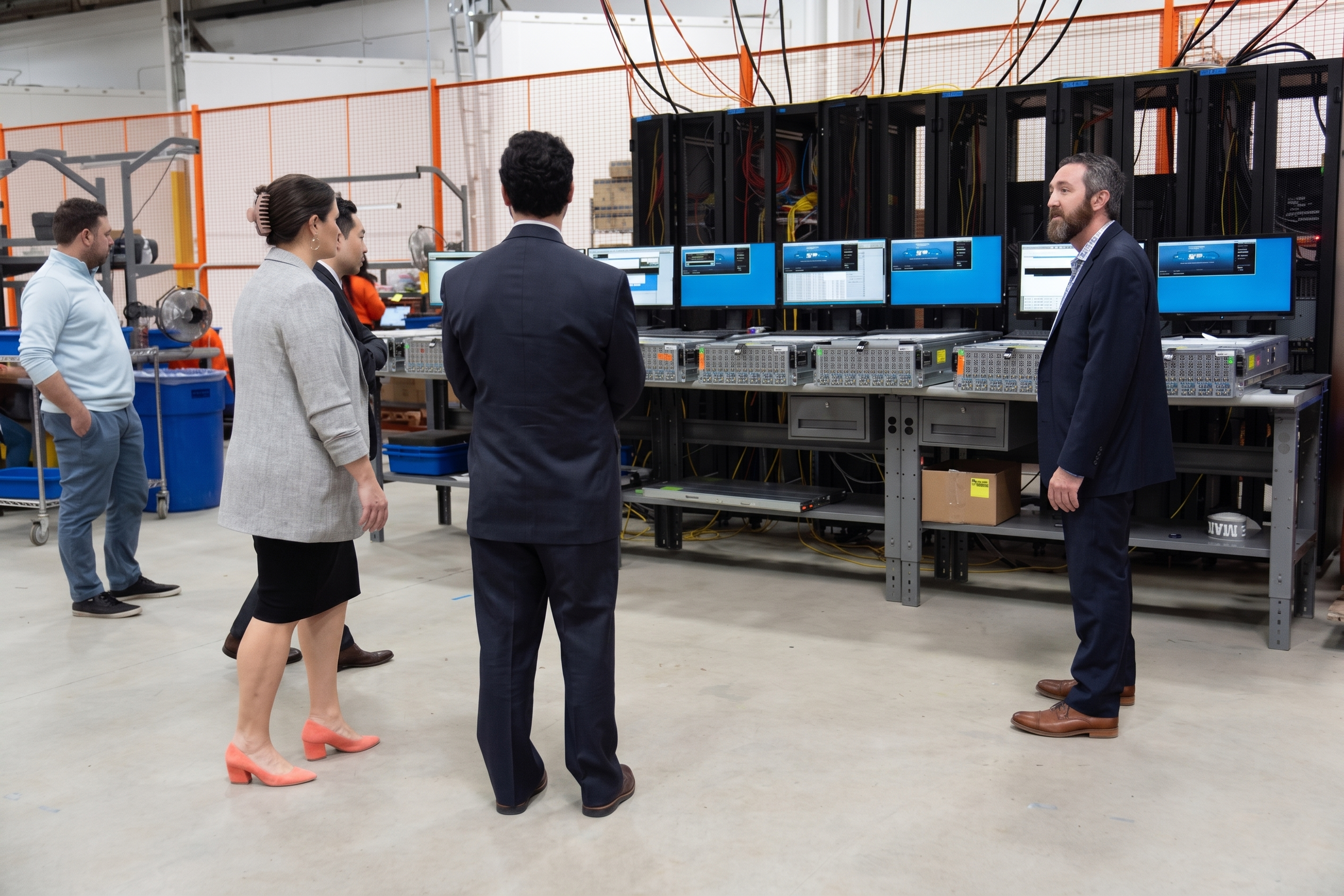
More importantly, these experiences allow leaders to move beyond theory and witness transformation in action. Seeing how organizations integrate AI into daily operations, empower teams to make faster decisions, and continuously adapt to changing market conditions often reveals opportunities and challenges that remain invisible from a distance. This firsthand exposure transforms abstract concepts into tangible business realities and creates a stronger sense of urgency to act.
"We realized that our competitors were not only transforming their technology stack they were also transforming the way decisions were made internally. It completely changed our strategic conversations.,” explained a company director of a large scale industrial organization following one of our Learning Expeditions in Asia.
One of the most common misconceptions about Learning Expeditions is that they are simply inspirational business trips.
The reality, however, is far more strategic.
While exposure to world-class innovation ecosystems can create powerful moments of inspiration, inspiration alone rarely transforms an organization. The real challenge begins once leaders return home. New ideas must be translated into strategic priorities, leadership alignment, and concrete action plans capable of generating measurable business impact.
This is where many organizations struggle. Teams return energized, but the urgency fades as day-to-day operations take over. Valuable insights remain isolated observations rather than becoming catalysts for transformation.
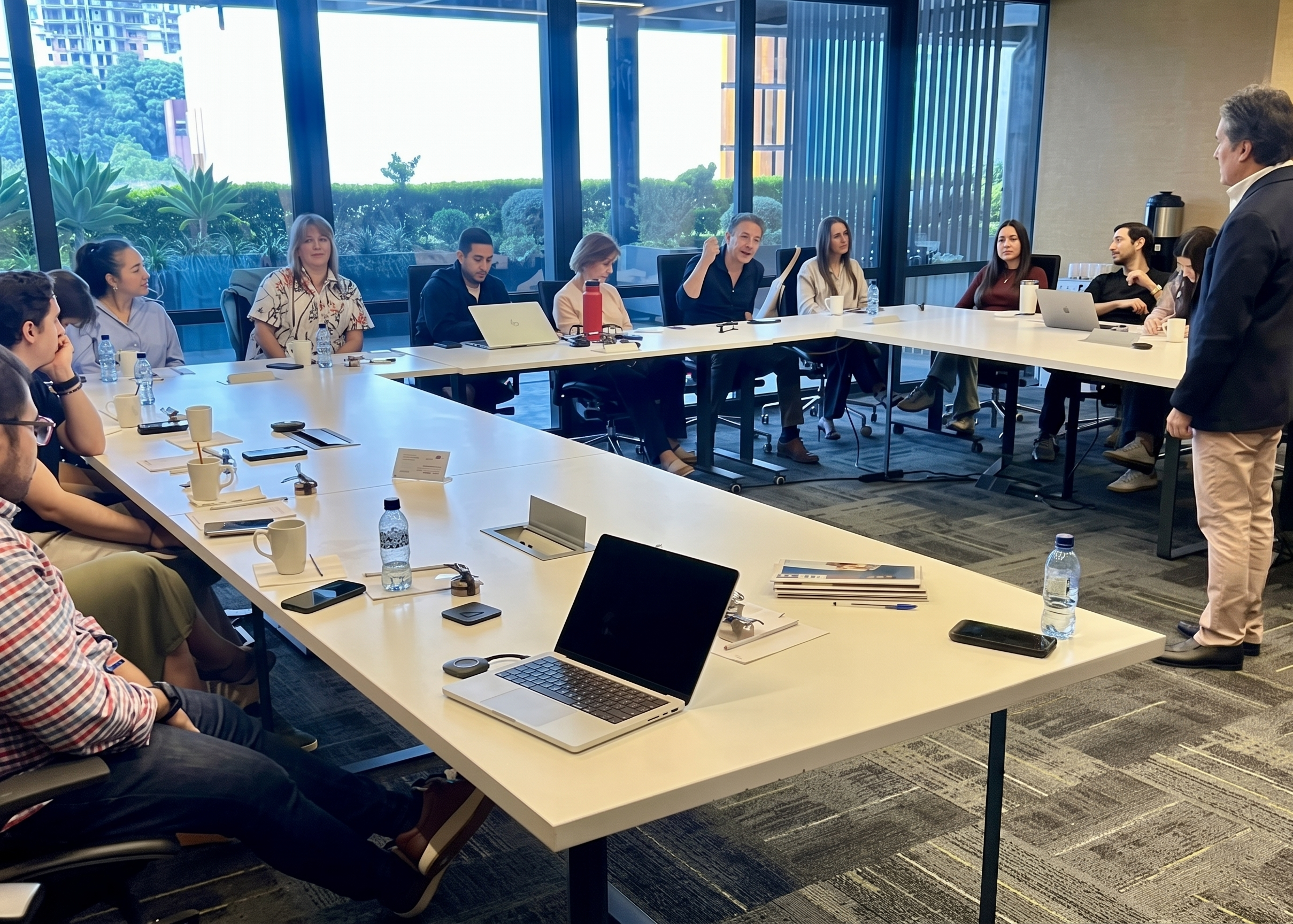
At Learning Expedition, the immersion itself is only one part of the journey.
Our approach is designed to ensure that what leaders see and experience in Asia is translated into actionable initiatives, strategic discussions, and organizational change. Through structured debriefing sessions, executive reflection workshops, and post-expedition follow-up, we help leadership teams convert inspiration into insights, and insights into action.
Because the ultimate objective is not to visit innovative companies.
It is to create lasting transformation within your own organization.
The companies that adapt the fastest are not always those with the largest budgets. More often, they are the ones capable of identifying change before everyone else and acting upon it more quickly. Today, more than 80% of executives consider artificial intelligence a top strategic priority, yet only a small percentage believe their organizations are moving fast enough.
This is where Learning Expeditions create tangible strategic value by enabling leaders to:
challenge existing business models,
compare their practices against the world's highest-performing organizations,
identify strategic blind spots,
accelerate the integration of AI and digital transformation into their strategic thinking,
strengthen alignment across leadership teams,
and evolve their organizational culture to become more agile.
The true value of a Learning Expedition is therefore not measured by what happens during the five-day immersion itself.
It is measured by what happens during the weeks and months that follow.
Why Five Days Can Have More Impact Than Months of Internal Meetings
Many executives are surprised by the intensity and effectiveness of a short but highly structured immersion experience.
In just five days, participants gain exposure to:
world-class innovation ecosystems,
pioneering AI companies,
some of the most advanced manufacturing facilities in the world,
high-growth technology startups,
internationally renowned universities and research centers,
retail concepts reinventing customer experience,
and strategic discussions with executives, experts, and key stakeholders within the local ecosystem.
A recent example involved a large European DIY retailer seeking to better understand the future of customer experience, digital ecosystems, and operational excellence in Asia. In just a few days, its leadership team met with some of the region's most influential retailers, digital platforms, and technology companies. Beyond discovering new technologies, participants observed how leading organizations were redesigning customer journeys, leveraging data to drive decision-making, and integrating innovation into their everyday operations. The experience challenged long-held assumptions and sparked strategic discussions that continued long after the expedition had ended.
Yet the real transformation often happens between the visits.
Conversations among executive participants during debriefing sessions, dinners, and reflection workshops frequently generate the most powerful insights. Away from the operational pressures of everyday business, leaders regain the ability to think long-term.
At a time when many organizations are trapped in short-term execution cycles, this perspective becomes invaluable.
"For the first time in years, our executive committee had deep, uninterrupted strategic conversations about the future of our company. The Learning Expedition created both a sense of urgency and a clear vision," explained a CEO of a European technology company.
“That combination is rare and extraordinarily valuable.”
The Strategic Topics Redefining Business Today
Modern Learning Expeditions across Asia increasingly focus on the forces reshaping the global economy.

Artificial Intelligence & Enterprise Transformation
Executives discover how Asian companies are integrating AI into operations, customer experience, decision-making processes, and productivity improvements at scale.
Retail & Consumer Innovation
Asia is redefining omnichannel commerce, immersive customer journeys, and platform-driven ecosystems.
Smart Manufacturing & Operational Excellence
Automated factories, robotics, and predictive systems are fundamentally changing how industrial leaders approach performance, efficiency, and resilience.
Leadership & Organizational Agility
Perhaps the most powerful lesson of all: transformation is not only technological, it is primarily cultural. Many executives return with the conviction that speed, experimentation, and adaptability have become critical competitive advantages.
Learning Expeditions: A Powerful Competitive Advantage
The companies adapting the fastest are not always those with the largest budgets. More often, they are the ones capable of recognizing transformation before their competitors.
In an economic environment defined by uncertainty, exposure becomes a competitive advantage. Leaders who experience emerging ecosystems firsthand tend to make different decisions when they return. And today, that difference can be decisive.
Are You Ready to Expose Your Leadership Team to the Transformations Shaping the Future?
The future of business is no longer being built in isolation. It is being shaped within the world's fastest-moving innovation ecosystems. If your organization is looking to accelerate its AI transformation, digital evolution, strategic thinking, or leadership vision, a Learning Expedition in Asia can become far more than a business trip. It can become a genuine strategic turning point.
The organizations that will lead tomorrow are not necessarily those with the most resources, but those that are able to learn, adapt, and make decisions faster than their competitors. In a world where technological disruption and market shifts are accelerating, gaining direct exposure to emerging business models, innovation ecosystems, and transformative technologies is no longer a luxury—it is becoming a strategic necessity. The ability to anticipate change before it becomes mainstream may well be one of the most valuable competitive advantages a leadership team can develop.
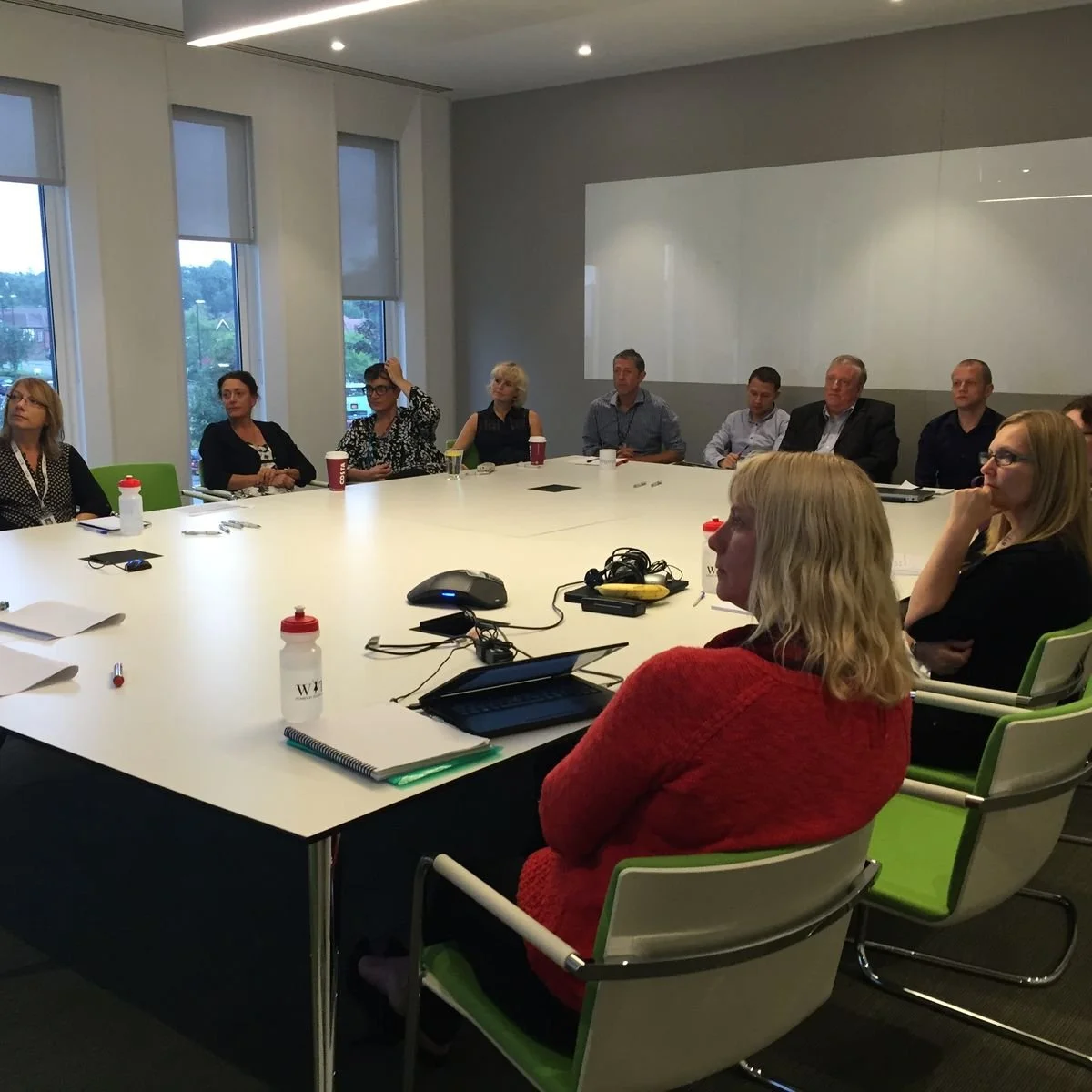
Learning Expedition designs tailor-made executive immersion programs across Asia, connecting leaders directly with the companies, technologies, and ideas that are redefining the future of business.
The testimonials featured in this article are inspired by recurring feedback requests gathered during our executive Learning Expeditions across Asia, particularly around artificial intelligence, innovation, retail transformation, and organizational change.
