

International Business & Regulatory Navigation Learning Expedition in Shanghai
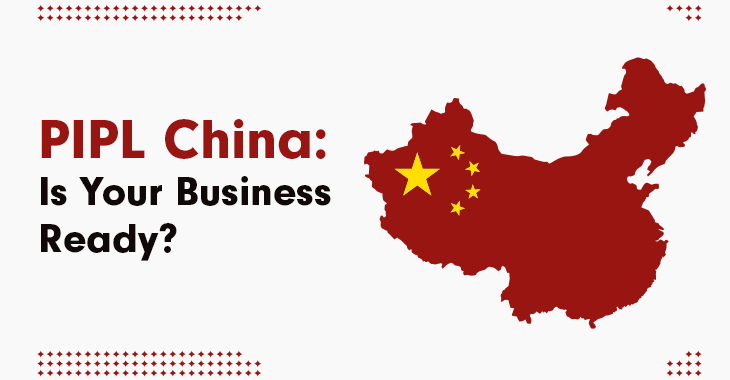
China's regulatory environment for international business has undergone substantial evolution over the past decade — and continues to change rapidly. Data security law, cybersecurity legislation, foreign investment restrictions, anti-monopoly enforcement, and the requirements of the Personal Information Protection Law (PIPL) have reshaped the operating environment for multinational companies in ways that require active, expert navigation.
At the same time, the opportunities for international business in China have not diminished — they have become more selective. Sectors where China actively welcomes foreign participation continue to grow. The challenge is knowing where the lanes are, how wide they are, and how to operate within them.
Shanghai — as the city where most multinational China operations are headquartered and where the regulatory dialogue between government and international business is most active — is the right environment for this exploration.
What It Takes to Build and Sustain a Business in China Today
Leadership teams engage with:
The current landscape for foreign direct investment in China — which sectors, which structures, which restrictions
Data localisation requirements and what PIPL means for global data architecture
How multinationals are adapting their China entity structures in response to regulatory change
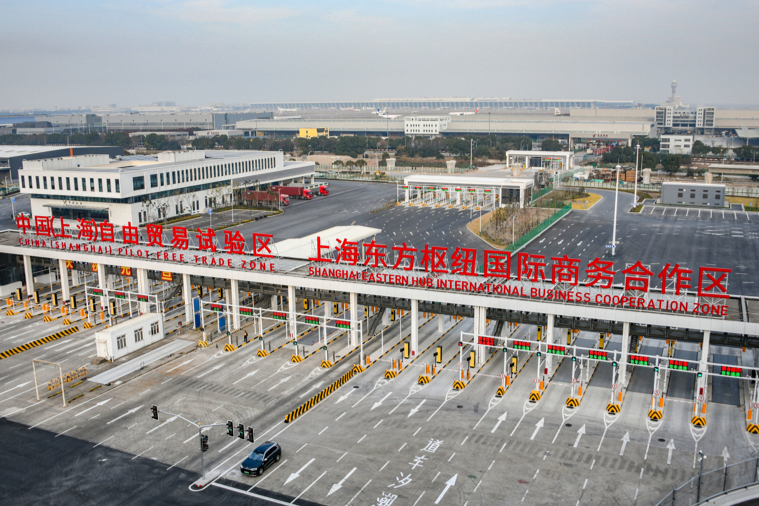
The Shanghai Free Trade Zone as a model for understanding China's regulatory experimentation
Government relations and stakeholder management in the Chinese regulatory context
How organisations are building resilient China strategies that work across different geopolitical scenarios
For boards, general counsels, CFOs, and regional presidents with China P&L responsibility, Shanghai provides the most direct access available to practitioners managing international business regulatory complexity in real time.
Regulatory miscalibration is one of the most common and costly mistakes international organisations make in China. Leadership teams who understand the actual operating environment — not the simplified version — make better entry, investment, and risk management decisions.
Shanghai’s Strategic Value for Leadership Teams
Keywords: China regulatory navigation leadership, international business China learning expedition, Shanghai Free Trade Zone study, PIPL data regulation China executive, multinational China strategy immersion
Find out more.