
Shenzhen Hardware & Electronics Manufacturing Learning Expedition
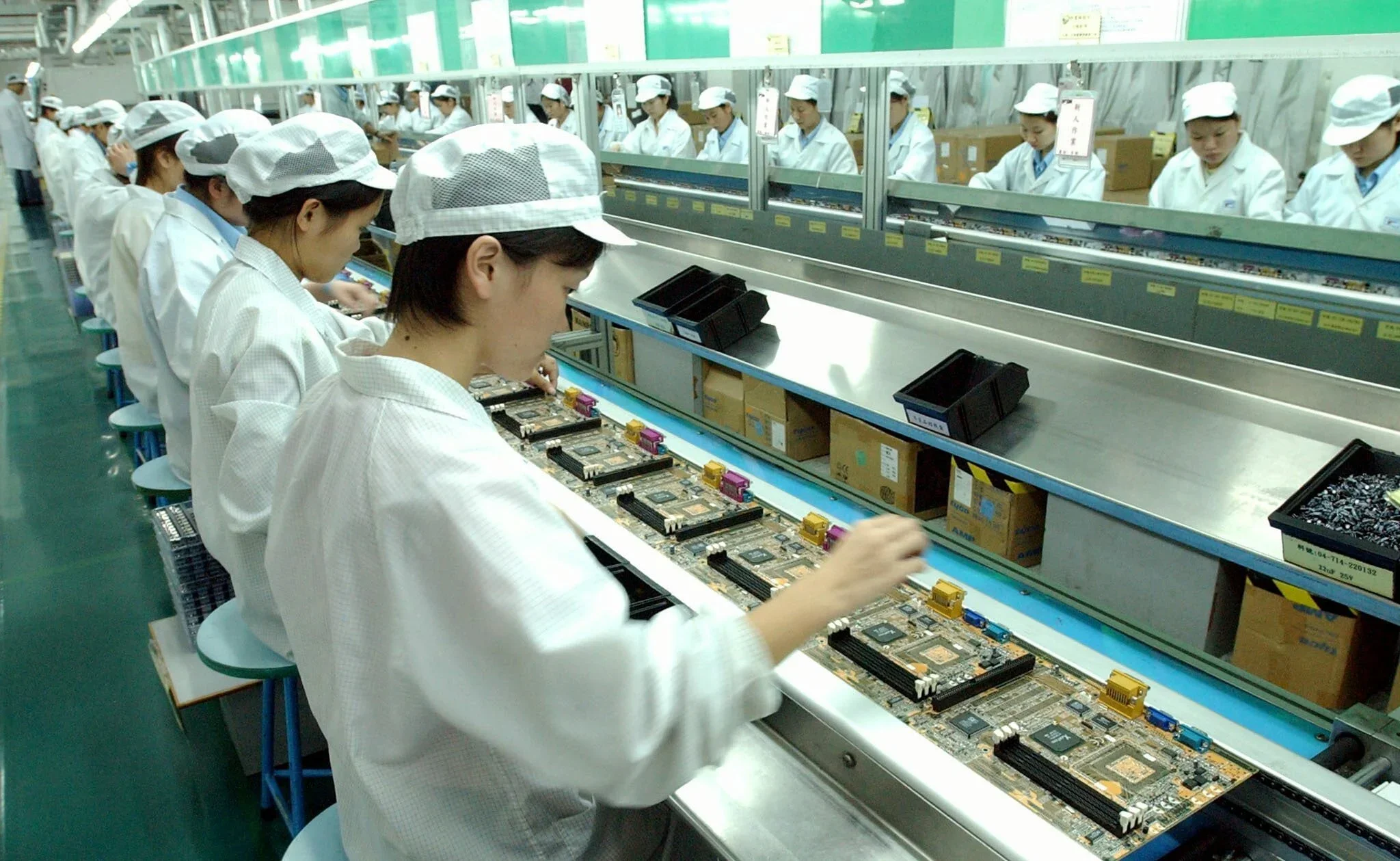
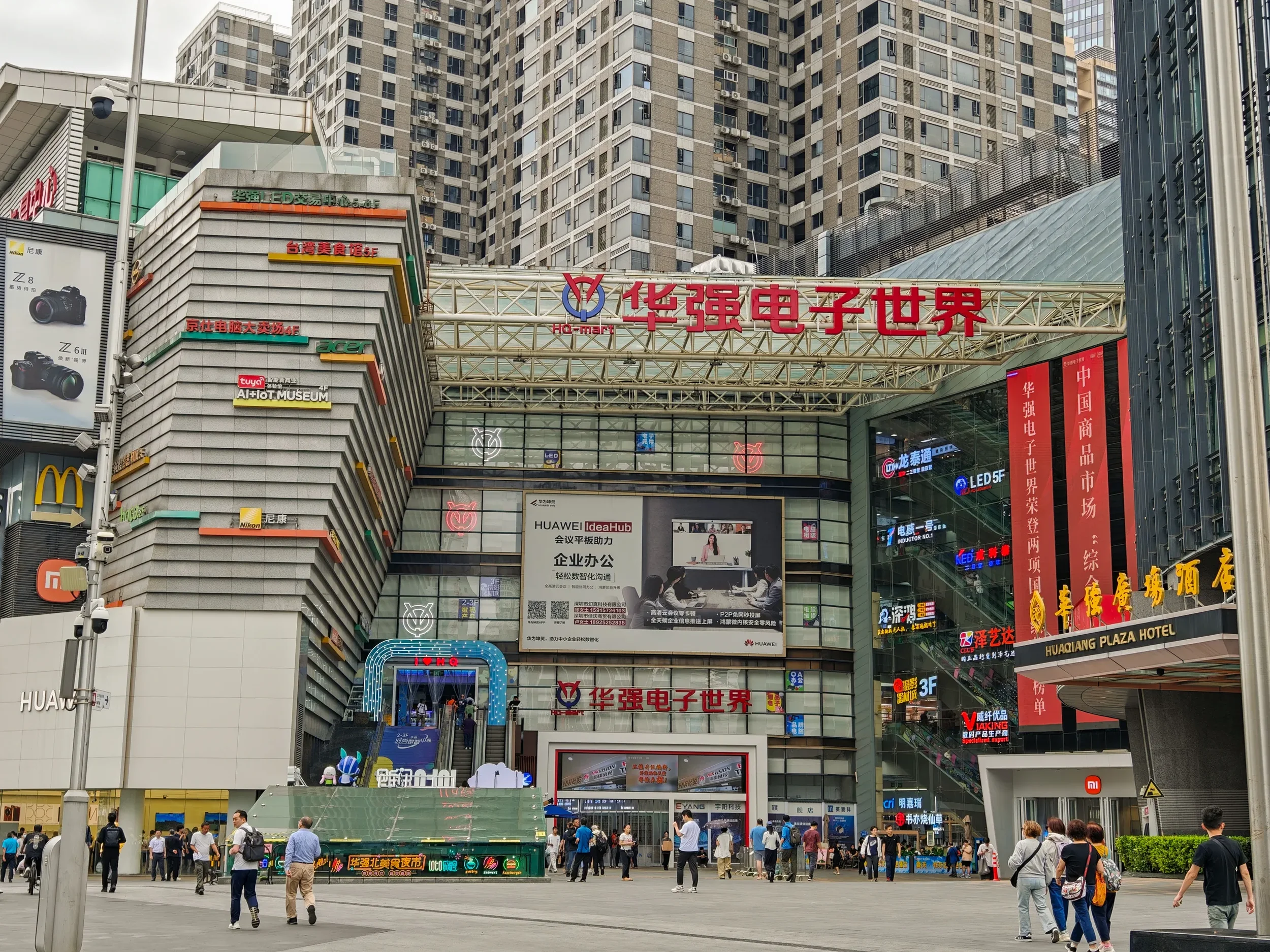
A Shenzhen hardware learning expedition takes your leadership team inside the world's densest electronics manufacturing ecosystem. Shenzhen's Bao'an district concentrates more component suppliers, contract manufacturers, PCB fabricators, and hardware assembly operations than anywhere else on earth. At the centre of it is Huaqiangbei — the city's legendary electronics market, spanning millions of square feet of components for everything from consumer gadgets to industrial systems.
This density creates a real advantage: prototype-to-production timelines that compress months into weeks. A hardware startup here can source components, find a manufacturer, and ship a first production run faster and cheaper than anywhere else — which is why Shenzhen remains the default destination for hardware entrepreneurs worldwide.
But speed isn't the whole story. What makes Shenzhen different is integration — design, engineering, sourcing, and manufacturing sit close enough together that collaboration becomes iterative, not transactional. Seeing that in person, not in a slide deck, is what a learning expedition is built for.
What a Shenzhen Hardware Learning Expedition Covers
Leadership teams engage with:
How Shenzhen's supply chain density creates hardware prototyping and manufacturing advantages
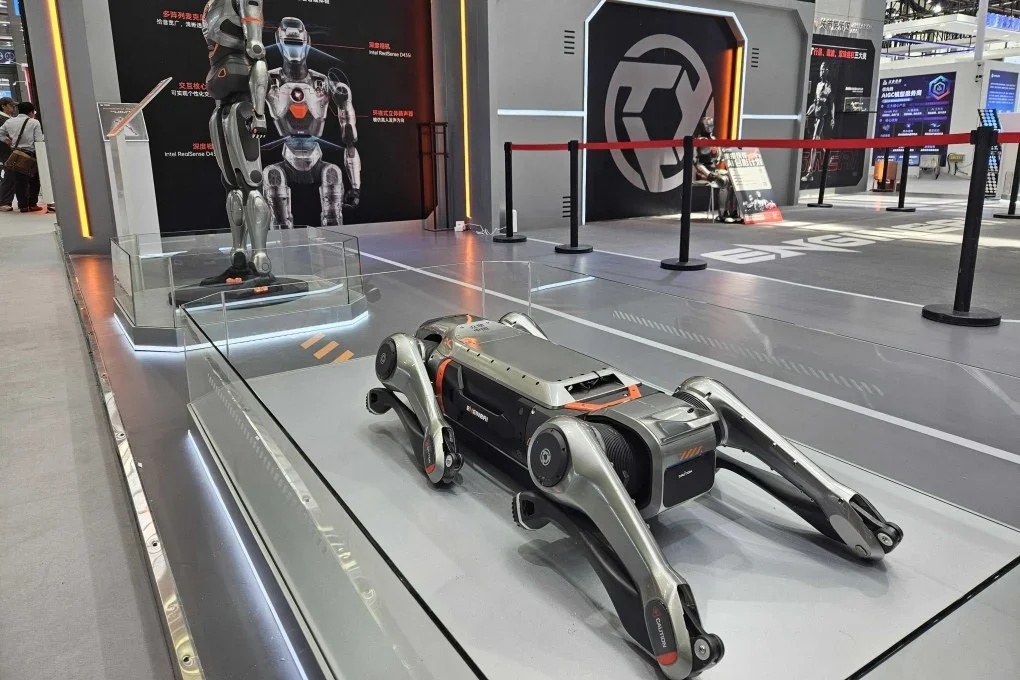
The contract manufacturing model — how ODM and OEM relationships work in practice, seen through Shenzhen's robotics and intelligent manufacturing sector
Hardware startup culture — how companies like DJI moved from prototype to global market leader, and what's happening now in Shenzhen's startup and tech commercialisation ecosystem
Component sourcing dynamics and what they reveal about global supply chain vulnerability, including lessons from Shenzhen's electric vehicle and new energy sector
How Chinese electronics manufacturers are moving up the value chain from assembly to design
For organisations with hardware products, supply chain dependencies on Chinese manufacturing, or a strategic interest in how physical technology gets made, Shenzhen's ecosystem is the most complete view available anywhere.
Understanding where your products are made — and how — is a strategic competency, not just an operational one. Leadership teams who see this ecosystem firsthand make sharper decisions about supply chain resilience, manufacturing partnerships, and product timelines.
Shenzhen’s Strategic Value for Leadership Teams
A Shenzhen hardware learning expedition isn't only for hardware companies. Retailers rethinking private-label sourcing, industrial firms exposed to component shortages, and investors evaluating manufacturing-dependent portfolios all gain the same thing: a clear-eyed view of where and how physical products actually get built.
Three to four days on the ground typically covers component markets, a contract manufacturer visit, and a hardware accelerator or startup studio — paired with facilitated debriefs so the team leaves with a shared read on what they saw, not scattered individual impressions.
Shenzhen Hardware Expedition FAQs
-
Density and speed. Component suppliers, prototyping houses, and contract manufacturers sit close enough together that a product can move from idea to first production run in weeks — not the months typical elsewhere.
-
Leadership teams with hardware products, supply chain exposure to Chinese manufacturing, or a strategic need to understand how physical products actually get built — not just engineering or procurement staff.
-
Visits are matched to your questions — typically a mix of component markets, a contract manufacturer, and a hardware accelerator or startup studio, so your team sees the full path from sourcing to scaled production.